
What USA Today’s Lease Guide Means for New Lessees

By Dan Rose,
Leasing your first car should feel exciting. Instead, for a surprising number of first-time lessees, it ends with a monthly payment higher than it needs to be, terms they don’t fully understand, and a nagging sense that they left money on the table. The mistakes are predictable because the system is designed to reward one side of the transaction, and it isn’t yours.
When USA Today featured VIP Auto Lease’s nationwide zero-down program and consumer guide, the consumer education angle was just as important as the deal itself. Most first-time lessees don’t fail because they’re careless. They fail because nobody explained how leasing actually works before they sat down at a dealership.
Mistake One. Negotiating the Monthly Payment Instead of the Deal
This is the most common and most costly error. A dealer asks, “What monthly payment are you comfortable with?” You say $350. The dealer disappears for twenty minutes and comes back with $349 per month. You feel like you won.
But the monthly payment is a composite number built from the vehicle’s selling price, the residual value, the money factor, the lease term, and any fees rolled into the deal. A skilled finance manager can hit almost any target payment by adjusting one or more of those variables, often in ways that cost you more overall.
- Longer Terms: Extending the lease from 36 to 48 months lowers the payment but increases total finance charges and keeps you in the car past the best warranty coverage.
- Inflated Residual: Some dealers inflate the residual value to lower the monthly depreciation charge, which looks good on paper but can create a painful end-of-lease situation.
- Buried Costs: Fees, add-ons, and markup on the money factor can all be absorbed into the monthly number without disclosure.
Mistake Two. Ignoring the Money Factor Entirely
I’ve spoken with dozens of first-time lessees who couldn’t tell me their money factor after signing. They negotiated the price. They negotiated the payment. But the finance charge, which can represent a significant portion of the total lease cost, went completely unexamined.
This is precisely the gap that companies like VIP Auto Lease exploit in the consumer’s favor. VIP accesses manufacturer base money factors through its bulk purchasing volume, and the company’s auto leasing guide featured on USA Today explains how those rates work and why dealer markups on the money factor are one of the industry’s best-kept profit centers.
How Nissan and Jeep Illustrate the Money Factor Trap
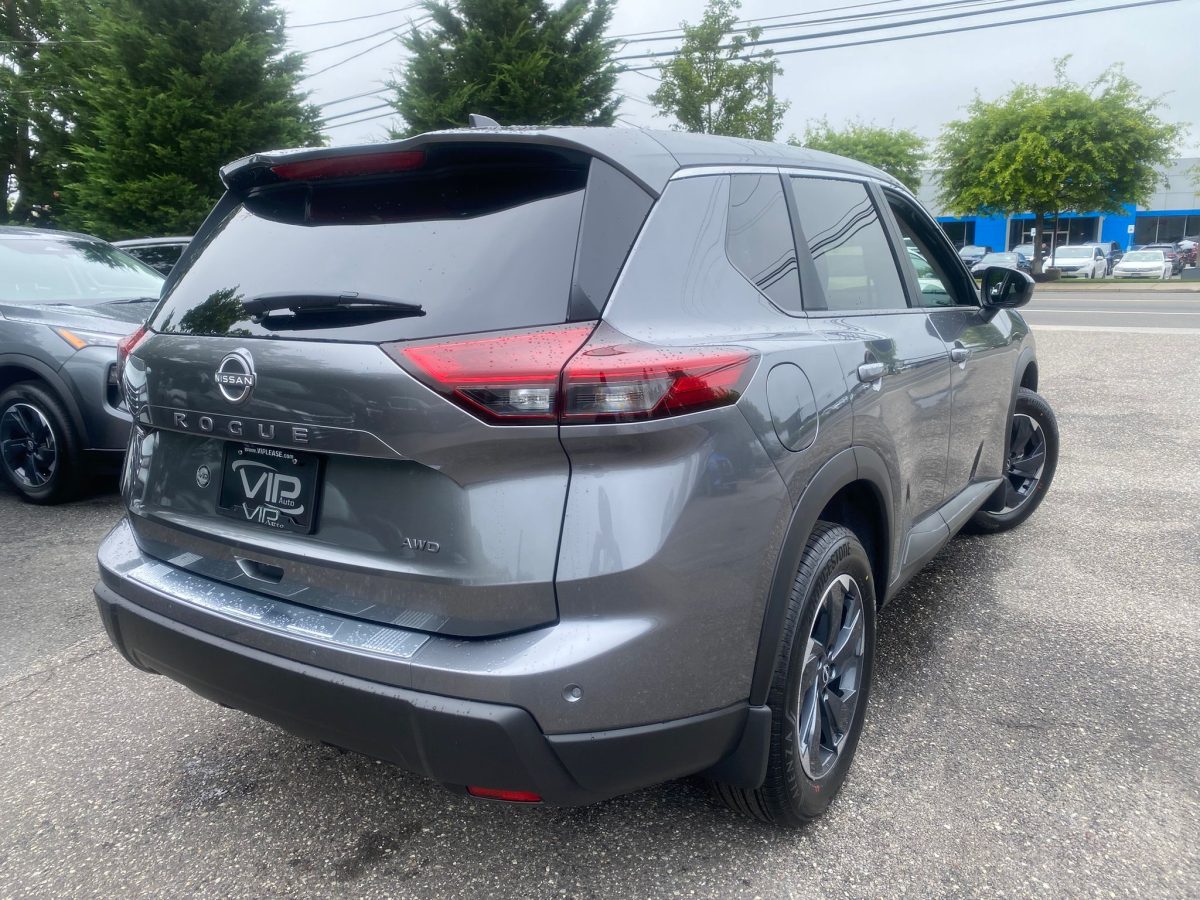
Let me ground this with two vehicles that first-time lessees frequently shop. The 2026 Nissan Rogue is one of the most popular crossovers for young families and new drivers. Nissan Motor Acceptance Corporation sets a base money factor for each trim level. A franchise Nissan dealer can mark that rate up and keep the spread without disclosing it. A first-time lessee who doesn’t know to ask about the money factor would never catch the difference.
The Jeep Wrangler tells a similar story. It’s an aspirational first lease for many younger drivers, and Chrysler Capital publishes competitive base rates on it. But a franchise Jeep dealer’s finance office has every incentive to mark up that money factor before presenting you the monthly payment. Through VIP, both vehicles are leased at the manufacturer’s base rate because the company’s bulk volume earns direct access to those programs. First-time lessees who understand this distinction before signing save real money.
Mistake Three. Accepting the First Offer Without Comparison
First-time lessees often visit one dealership, get one quote, and sign. The urgency feels real, the salesperson suggests the deal won’t last, and the energy of the moment pushes you toward a decision before you’ve seen alternatives.
Comparison shopping in leasing is different from comparison shopping for most purchases. You’re not just comparing sticker prices across dealers. You need to compare the capitalized cost, the money factor, the residual value, and the total due at signing, all at the same time. That’s a lot to juggle during your first lease.
- Wholesale Benchmarking: Before accepting any dealer quote, request a quote from a wholesale broker like VIP to establish a pricing baseline.
- Written Transparency: A credible lease offer should include every number in writing. If a dealer won’t itemize the deal, that’s information in itself.
- No Urgency Trap: Genuine lease programs run for weeks or months. Any deal that “expires tonight” is pressure, not reality.
Mistake Four. Overlooking the Total Cost of the Lease
The monthly payment gets all the attention, but the number that actually matters is the total cost over the full term. A $350 per month lease with $3,000 due at signing costs $15,600 over 36 months. A $380 per month lease with nothing down costs $13,680. The “cheaper” monthly payment is actually the more expensive deal.
First-time lessees who understand this math make dramatically better decisions. And programs like VIP’s zero-down structure make the comparison easier because the signing costs are limited to unavoidable government and bank fees.
The lesson for every first-time lessee is the same. Learn how the numbers connect before you sit down to sign anything. The companies earning national media attention right now are the ones making that education part of their process, not an obstacle to it.
Contributed by Dan Rose, A Senior Auto Leasing Consumer Education Writer.
Starting Your First Lease and Want to Get It Right?
Don’t walk into a dealership without understanding your numbers first.
Visit us at https://viplease.com/ to get a transparent quote and a team that explains every line of your lease before you sign.
Get Directions Below!
VIP Auto Lease, 1204 Hylan Blvd, Staten Island, NY 10305, (718) 477-7888, HWX8+5W Staten Island, New York, USA
VIP Auto Lease, 2912 Avenue X Suite 2, Brooklyn, NY 11235, (718) 477-7888, H3V5+CG Brooklyn, New York, USA